In the world of consciousness exploration and spiritual awakening, psilocybin mushrooms have played a pivotal role for centuries.
These remarkable fungi, also known as magic mushrooms, have been used in various cultures and traditions to induce mystical experiences and connect individuals with the divine. In this blog post, we delve deep into the spiritual aspects of psilocybin mushrooms, exploring their historical significance, their role in modern spirituality, and the profound insights they offer.
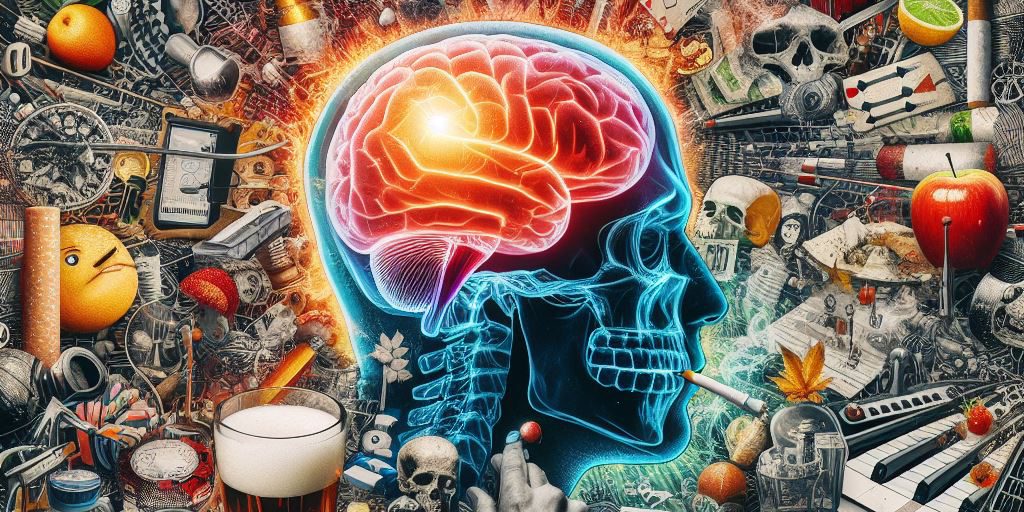
Addiction is a relentless adversary that affects millions of lives worldwide. Whether it’s substance abuse, alcoholism, or other addictive behaviors, breaking the cycle of addiction can be an incredibly challenging and often elusive goal. Traditional treatments have helped many, but there’s growing interest in an unconventional ally in the fight against addiction: magic mushrooms, or psilocybin mushrooms.
The Nature of Addiction
Addiction is a complex interplay of physical, psychological, and emotional factors. It often involves the brain’s reward system, reinforcing the compulsive use of substances or behaviors despite negative consequences. Breaking this cycle requires a profound shift in mindset and behavior.
The Promise of Psilocybin-Assisted Therapy
Research into psilocybin-assisted therapy has shown promising results in helping individuals overcome addiction. This therapeutic approach involves guided psychedelic experiences using magic mushrooms, under the supervision of trained therapists. Here’s how it works:
- Breaking Patterns: Magic mushrooms can induce a powerful, introspective experience that allows individuals to confront the root causes of their addiction, often buried deep within their subconscious. This process can lead to a profound shift in perspective.
- Enhanced Self-Awareness: Psilocybin can promote self-reflection and self-awareness, helping individuals understand their addiction triggers, motivations, and the impact it has on their lives and loved ones.
- Reduced Cravings: Studies have shown that psilocybin can significantly reduce cravings for addictive substances or behaviors, making it easier for individuals to resist relapse.
- Emotional Healing: Magic mushrooms can facilitate the processing of past traumas and emotional wounds, which are often underlying factors contributing to addiction.
Research Findings
Research into the use of psilocybin for addiction treatment is still in its early stages, but initial studies are promising. For example, a study published in the Journal of Psychopharmacology in 2014 found that psilocybin-assisted therapy helped long-term smokers quit with a success rate that was more than double that of standard smoking cessation therapies.
The Importance of a Supportive Environment
It’s crucial to emphasize that psilocybin-assisted therapy should be conducted in a controlled and supportive environment, under the guidance of trained therapists. The experience can be intense and emotionally challenging, and the presence of a skilled professional is essential for safety and therapeutic efficacy.
Legal and Ethical Considerations
The legal status of psilocybin varies widely around the world. In some places, it is considered a controlled substance, while in others, there is ongoing research and discussions about its therapeutic potential. Individuals considering this approach should be aware of and comply with local regulations.
Conclusion
Magic mushrooms, particularly psilocybin, offer a promising avenue for addiction therapy. While further research is needed to better understand the mechanisms and long-term effects, the initial findings are encouraging. Addiction is a complex and deeply rooted issue, and psilocybin-assisted therapy represents a potential breakthrough in helping individuals break free from its grip.
As with any medical or therapeutic intervention, it’s essential to consult with healthcare professionals and seek treatment from licensed and experienced therapists when considering psilocybin-assisted therapy for addiction. It is a hopeful development on the horizon in the battle against addiction, offering a new path toward recovery and healing.
Etiam sodales metus et ex tincidunt, at semper augue tempus. Suspendisse iaculis luctus vestibulum. Mauris ornare dignissim est ut semper. Mauris interdum lobortis bibendum. Donec vehicula velit commodo tristique ultrices. Phasellus et semper velit. Mauris sodales id ex sit amet gravida.
Duis tristique magna eu magna rutrum, vitae tristique nisi feugiat. Etiam scelerisque iaculis felis, eu sollicitudin arcu hendrerit vitae. Aliquam eget dapibus nulla. In nulla enim, fermentum nec placerat hendrerit, sagittis et diam. Fusce eget nibh et lacus tincidunt rhoncus. Proin luctus eu erat quis tincidunt. Vestibulum ante ipsum primis in faucibus orci luctus et ultrices posuere cubilia Curae; Suspendisse ullamcorper nunc eu placerat fermentum.
Proin luctus eu erat quis tincidunt. Vestibulum ante ipsum primis in faucibus orci luctus et ultrices posuere cubilia Curae; Suspendisse ullamcorper nunc eu placerat fermentum.
Donec commodo vestibulum bibendum. Ut vel condimentum risus. Sed malesuada nunc ut sollicitudin volutpat. Lorem ipsum dolor sit amet, consectetur adipiscing elit. Vestibulum aliquam sodales odio vitae luctus. Nullam non nisl orci. Sed faucibus nisl eu erat consequat egestas!